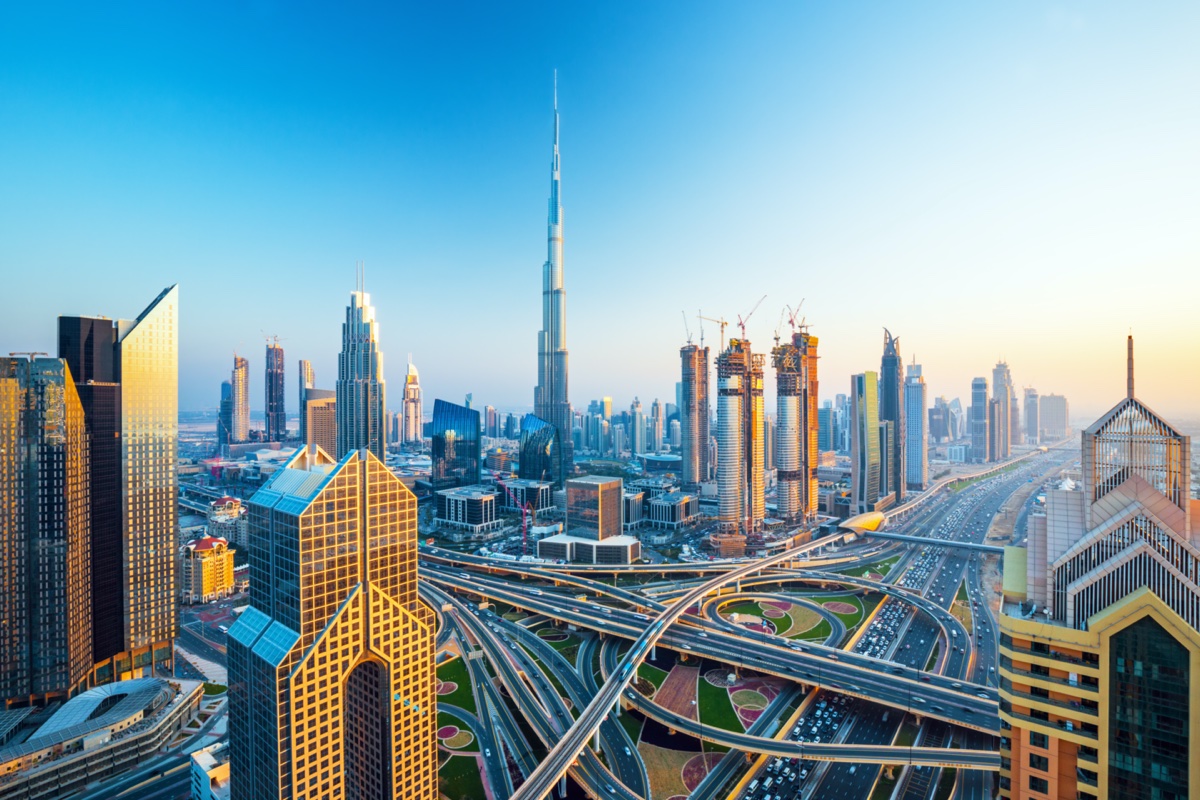
Anyone considering relocating to Dubai in 2026 eventually asks the same question: is Dubai still safe? It's a fair question, especially for families, retirees, and entrepreneurs planning a major life move. With global headlines moving fast and the wider region in the news, it's natural to want a clear answer before making a decision.
The short answer is yes: Dubai remains one of the safest cities in the world for expats in 2026. The longer answer involves looking at crime rates, daily life, family-friendly infrastructure, and the systems that have made Dubai a trusted destination for millions of expats. This guide takes a realistic look at what safety in Dubai really means today — without exaggeration, fearmongering, or marketing fluff.
1. Dubai’s Safety Reputation: What the Numbers Say
Dubai consistently ranks among the safest major cities globally. International indices such as Numbeo’s Safety Index and Global Finance Magazine’s Safest Cities ranking regularly place Dubai and Abu Dhabi in the top 10 worldwide — often ahead of major European and American capitals.
- Violent crime in Dubai is extremely rare and strictly prosecuted under UAE federal law.
- Property crime, theft, and burglary rates are significantly lower than in most major European or American cities.
- Police presence is visible, professional, and supported by one of the most advanced city-wide surveillance systems in the world.
- Women, families, and solo travellers commonly report feeling safe walking in public — even late at night.
The result: most expats who move to Dubai report feeling safer than they did back home, particularly when it comes to street crime and personal security.
2. What Daily Life in Dubai Actually Looks Like
It’s one thing to see Dubai topping safety rankings — it’s another to actually live here. What expats notice almost immediately is the calm, structured rhythm of everyday life. The city is clean, well-organised, and built around a strong sense of public order.
If you talk to expats currently living in Dubai, the most common phrase you’ll hear is “functioning and steady.” Restaurants, beach clubs, and shopping malls operate at standard capacity. Schools continue their academic calendars without interruption. The Dubai Metro runs on schedule. Supermarkets are fully stocked. Businesses operate normally across free zones, mainland, and the DIFC. Tourism continues to grow, with major hotels and attractions reporting strong occupancy and visitor numbers.
Many long-term expats — particularly entrepreneurs, business owners, and families with established roots — describe Dubai as one of the calmest, most predictable cities they have lived in.
- Children play in residential communities, parks, and beaches with very little parental anxiety.
- Public transport — including the Dubai Metro, trams, and taxis — is reliable, monitored, and safe at all hours.
- Public spaces are well-lit, regularly maintained, and supported by responsive municipal services.
- Lost wallets, phones, and personal items are often returned — a small but telling marker of social trust.
- Emergency services respond quickly and professionally across the city.
3. Crime Rates in Dubai Compared to Other Major Cities
It helps to compare Dubai with cities that expats know well. While exact figures vary by year and source, the broad pattern is consistent: Dubai has significantly lower crime rates than most large European, American, or Asian cities, including London, Paris, Berlin, New York, and others.
Pickpocketing, bicycle theft, drunk-driving incidents, and street harassment — all common concerns in many major cities — are far less common in Dubai. The combination of strict laws, high penalties, professional law enforcement, and a rules-driven society creates an environment where day-to-day safety is rarely a worry.
4. Safety for Families and Children in Dubai
For families relocating with children, the safety of kids is often the most important factor. Dubai delivers strongly here:
- Schools and nurseries are tightly regulated by the Knowledge and Human Development Authority (KHDA).
- Residential communities such as Arabian Ranches, Dubai Hills, Jumeirah Park, and The Springs are gated and family-focused.
- Public parks, beaches, and play areas are clean, monitored, and well-maintained.
- Children regularly walk or cycle within community zones without major safety concerns.
- Strict child protection laws apply across the UAE — including in digital and online environments.
5. Safety for Women Living and Working in Dubai
Dubai is one of the safest cities in the world for women — including solo female travellers, single working professionals, and women running their own businesses. Women in Dubai can drive, work, own companies, sponsor family members, travel independently, and access dedicated services such as women-only taxis, metro carriages, and gym spaces.
Harassment is rare and treated seriously by UAE authorities. For female entrepreneurs and freelancers, Dubai offers a strong combination of personal safety, professional opportunity, and quality of life — which is a major reason the city continues to attract a growing number of women-led businesses each year.
6. Laws Every New Expat Should Understand
Safety in Dubai also depends on respecting local laws. The UAE has a legal system that blends civil and criminal principles with cultural values, and most rules are simply common sense. New residents should be aware of a few important points:
- Public behaviour standards — avoid loud disputes, aggressive language, and public intoxication.
- Alcohol is legal but regulated — it can only be consumed in licensed venues, hotels, and private homes.
- Drug laws are extremely strict, including for substances that may be legal in other countries.
- Photography rules — never photograph people, government buildings, or sensitive areas without permission.
- Defamation laws cover both spoken and online statements — including social media posts.
Understanding these basics protects new residents from accidental violations and ensures Dubai continues to feel safe, welcoming, and easy to navigate.
7. Health, Road, and Online Safety in Dubai
Beyond crime, safety also includes health, traffic, and digital security — all areas where Dubai performs strongly in 2026.
Healthcare Safety
Hospitals and clinics are regulated by the Dubai Health Authority (DHA), and emergency response times are among the fastest in the region. Health insurance is mandatory for all residents — see our blog on Healthcare in Dubai for the full overview.
Road Safety
Roads are modern, well-maintained, and heavily monitored by Salik tolls and traffic cameras. Speed limits are enforced strictly, and seatbelts and child seats are mandatory. Driving in Dubai is generally safe — though new drivers should be cautious on highways like Sheikh Zayed Road.
Digital and Cyber Safety
The UAE has some of the world’s strictest cybercrime laws, which protects residents from many forms of online fraud, identity theft, and harassment. However, the same laws apply to UAE residents — be mindful of what you post online about people, businesses, or public institutions.
8. Why Expats Continue to Choose Dubai
If Dubai weren’t truly safe, the numbers would show it — but they show the opposite. Dubai continues to attract a growing population of expats, entrepreneurs, investors, and families from every continent. New business licences, residency visas, and Golden Visas continue to be issued in strong numbers each year — including throughout 2025 and 2026.
Many newcomers cite safety as one of the top three reasons they chose Dubai over other global destinations — alongside the tax framework and quality of life. The city offers a rare combination: low crime, modern infrastructure, zero personal income tax, world-class healthcare, top-tier schools, and a long-term residency framework that includes the Golden Visa.
9. Should You Still Move to Dubai in 2026?
If you are considering Dubai as your next home or business base, the honest answer is: Dubai remains one of the safest, most stable, and most opportunity-rich destinations for expats in 2026. The city continues to attract entrepreneurs, families, and remote workers from around the world — drawn by the same factors that have made Dubai a global hub for over two decades.
Headlines can make any region look dramatic from a distance, but the day-to-day reality of life in Dubai is calm, structured, and secure. The city has built its global appeal on safety, opportunity, and quality of life — and 2026 is no exception.
Final Thoughts
For anyone planning their move, the smartest step is to talk to advisors who understand the full picture — from company setup and residency to housing, schools, and healthcare. At Quick Easy Dubai, we help clients relocate, set up companies, and secure UAE residency with confidence. Let our advisors walk you through every step — safely and clearly.
Back to Blog